If you’re in perimenopause or beyond and feeling low on energy, a bit foggy headed, or just not quite yourself, then low iron levels could play a part.
In this blog, I’ll break down what iron actually does in the body, why it matters so much during midlife, how to get more of it from your food.
I’ll also walk you through some of the signs to look out for and how I can support you through my programmes if you need more personalised help.
Why Iron Is So Important for Women in Perimenopause and Beyond
Iron is essential for helping oxygen get around your body.
It’s a key part of haemoglobin, the protein in red blood cells that transports oxygen from your lungs to your tissues.
There are two types:
Heme iron, found in animal based foods and more easily absorbed.
Non-heme iron, found in plant based foods and a bit harder for your body to absorb.
Key roles of iron include:
- Supporting your energy levels
- Boosting your immune system
- Helping your brain stay sharp
- Carrying oxygen where it needs to go
Iron and Brain Fog: The Link You Might Not Know About
When we think of iron, most people picture tiredness or pale skin, but it’s also deeply tied to how well your brain works.
Research shows that even in the absence of anaemia, low iron can affect concentration, memory, and even mood.
In fact, a review published in Gynecological Endocrinology found that iron deficiency, even without anaemia, can impair cognitive function, particularly in areas like attention, learning, and memory (Beard & Connor, 2017).
This is especially relevant during perimenopause, a time when many women already experience brain fog, forgetfulness, and mental fatigue due to hormonal shifts.
If you’re noticing that your focus or mental sharpness has taken a dip, low iron could be one of the contributing factors and it’s worth discussing with your GP.
How Much Iron Women Over 40 Really Need
Iron is a nutrient we need to stay on top of, especially as women.
Unlike some vitamins, we don’t just wee it out our bodies hold onto iron quite tightly.
But we do lose it through blood (especially during periods), sweat, and the natural turnover of skin and gut cells.
Women aged 19–50 are advised to aim for around 14.8 mg of iron per day, which is almost double the amount men need.
After menopause, this drops to 8.7 mg, unless other factors (like health conditions) increase your needs.
Source NHS.
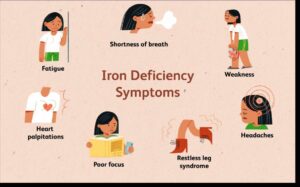
Symptoms Of Low Iron In Women
Some signs you might be low in iron:
- Fatigue that doesn’t improve with rest
- Brain fog or trouble focusing
- Pale skin
- Shortness of breath
- Dizziness or feeling faint
If you’re in perimenopause and ticking off a few of these symptoms, it’s worth speaking to your GP about getting your iron levels checked.
A simple blood test can make a big difference.
What’s Causing Your Low Iron? Common Root Issues in Midlife Women
If you’re experiencing ongoing fatigue, heavy periods, or other symptoms that just don’t feel right, it’s important to know that there are different types of anaemia, each with its own cause.
“There are several different types of anaemia, and each one has a different cause. Iron deficiency anaemia is the most common type. Other types of anaemia can be caused by a lack of vitamin B12 or folate in the body.”
That’s why it’s so important to speak to your doctor if you’re in perimenopause and noticing symptoms like fatigue, brain fog, or shortness of breath.
They can run the right blood tests to check for iron deficiency, B12 or folate deficiency, and guide you through the next steps, whether that’s adjusting your diet, trying supplements, or looking at other forms of support.
How to Increase Iron During Perimenopause
- Red Meat
One of the best sources of heme iron, red meat (e.g., beef and lamb) is not only rich in iron but also contains other essential nutrients like protein and B vitamins (particularly B12).
- Poultry
Chicken and turkey provide a good amount of heme iron. Dark meat contains more iron than white meat, making it an excellent choice for iron boost.

- Seafood
Oysters, clams, and sardines are packed with heme iron. They also provide omega-3 fatty acids, which contribute to heart health.
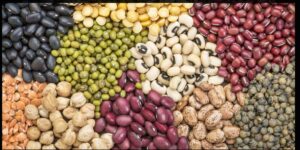
- Legumes
Beans, lentils, and chickpeas are excellent plant-based sources of non-heme iron. They are also high in protein and fibre, making them perfect for weight management.
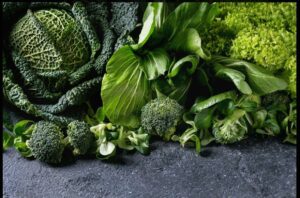
- Leafy Greens
Spinach, kale, and Swiss chard are rich in non-heme iron. Pair these with vitamin C rich foods like citrus fruits to enhance iron absorption.
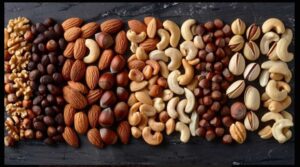
- Nuts and Seeds
Pumpkin seeds, cashews, and almonds are great snack options that provide a healthy dose of non-heme iron along with healthy fats.
- Fortified Foods
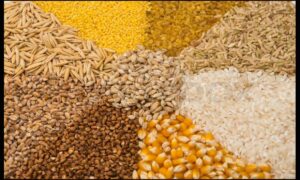
Many cereals and grains are fortified with iron, check the label to ensure you are getting the necessary nutrients.
If you need help adding more protein to your nutrition, then why not try my 14 Day Perimenopause Protein Challenge?
How to Absorb More Iron From Your Food
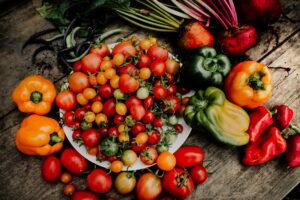
- Pair iron with vitamin C (e.g. oranges, berries, tomatoes)
- Avoid tea and coffee with meals as they can block absorption
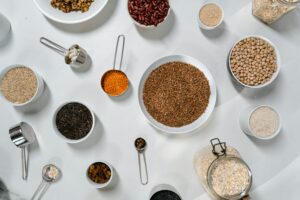
- Soak or sprout grains and legumes to reduce phytates (natural compounds that interfere with absorption)
Can’t Tolerate Iron Supplements? Here’s What Else You Can Try
Let’s be honest, iron tablets don’t suit everyone.
They can cause constipation, nausea, or just feel too hard on your stomach.
One woman I came across shared that even a gentle bowel movement would trigger heavier periods.
Oral iron made things worse.
She ended up using transdermal iron cream (which you rub on the skin) and called it a game changer.
It won’t work for everyone, but it’s worth knowing there are other options.
If you’re struggling with supplements, speak to your GP, there are different types, dosages, or even infusions that might work better for you.
How I Can Support You
If you want help figuring all this out, that’s where I come in.
At Claire Nutrition, I offer personalised coaching programs to help you eat well, feel stronger, and support your energy naturally during perimenopause.
The Revive Fat Programme
Personalised coaching that takes your lifestyle, hormones and energy into account, perfect if you’re ready for tailored support.
6 Week Kickstart Your Weight Loss
A supportive group programme to help you lose weight and expert guidance.
14 Day Perimenopausal Protein Challenge
A short and powerful reset to help you eat more protein, feel fuller for longer, and fight fatigue, without feeling like you’re on a “diet”.
Other Nutrients That Support Energy and Hormones in Perimenopause
If you want to explore more about nutrients that support energy and hormone balance, read my post on Magnesium.
Final Thoughts: Don’t Ignore Low Iron, You Have Options
If you’re always tired, foggy, or feel like your get up and go has gone, don’t ignore it.
Iron could be part of the picture.
There are lots of ways to improve it, whether through food, supplements, or lifestyle tweaks.
Please don’t self diagnose.
Have a chat with your GP, get your levels checked, and go from there.
And if you want a supportive coach to help you feel your best again, I’d love to help.
Feel free to get in touch with me here.